
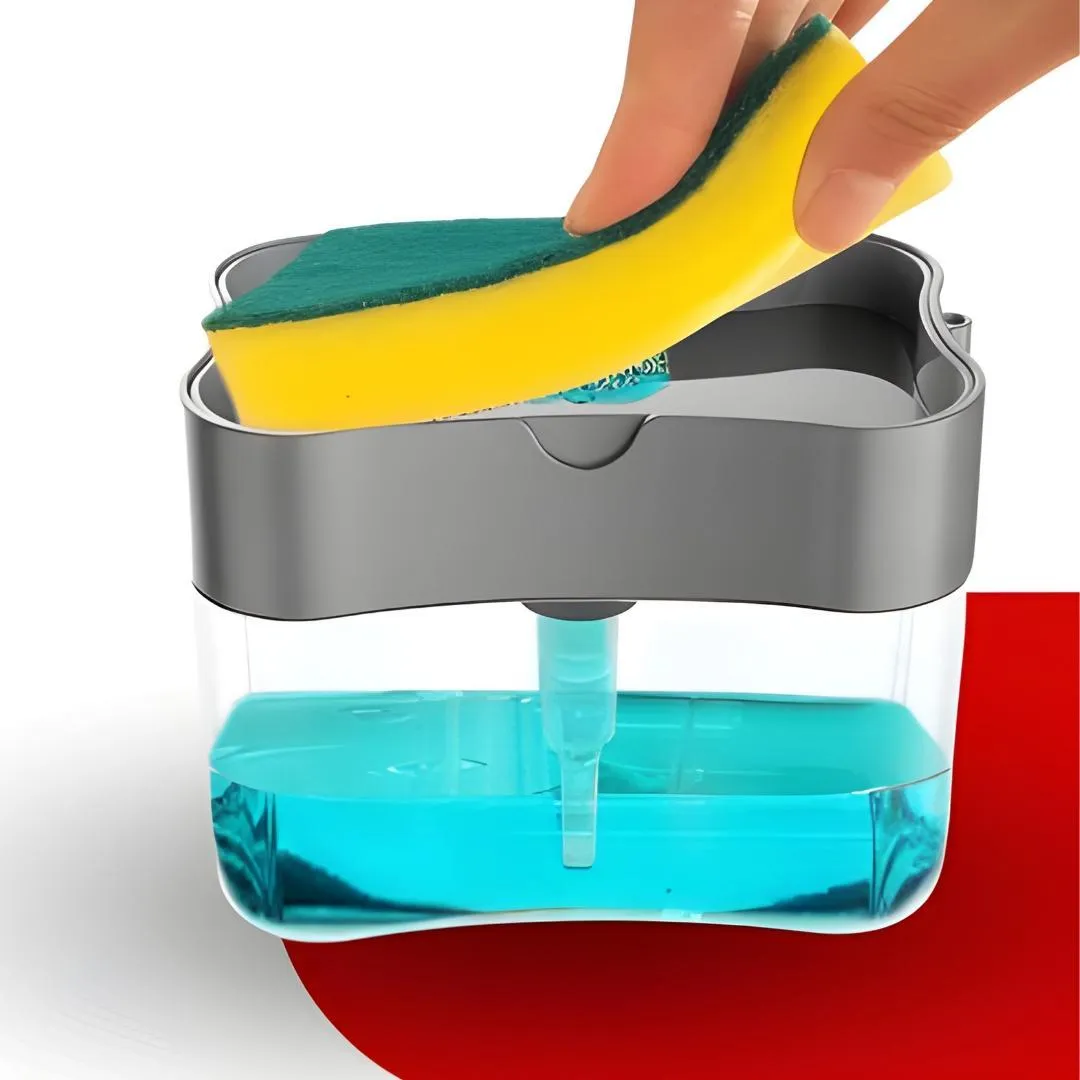
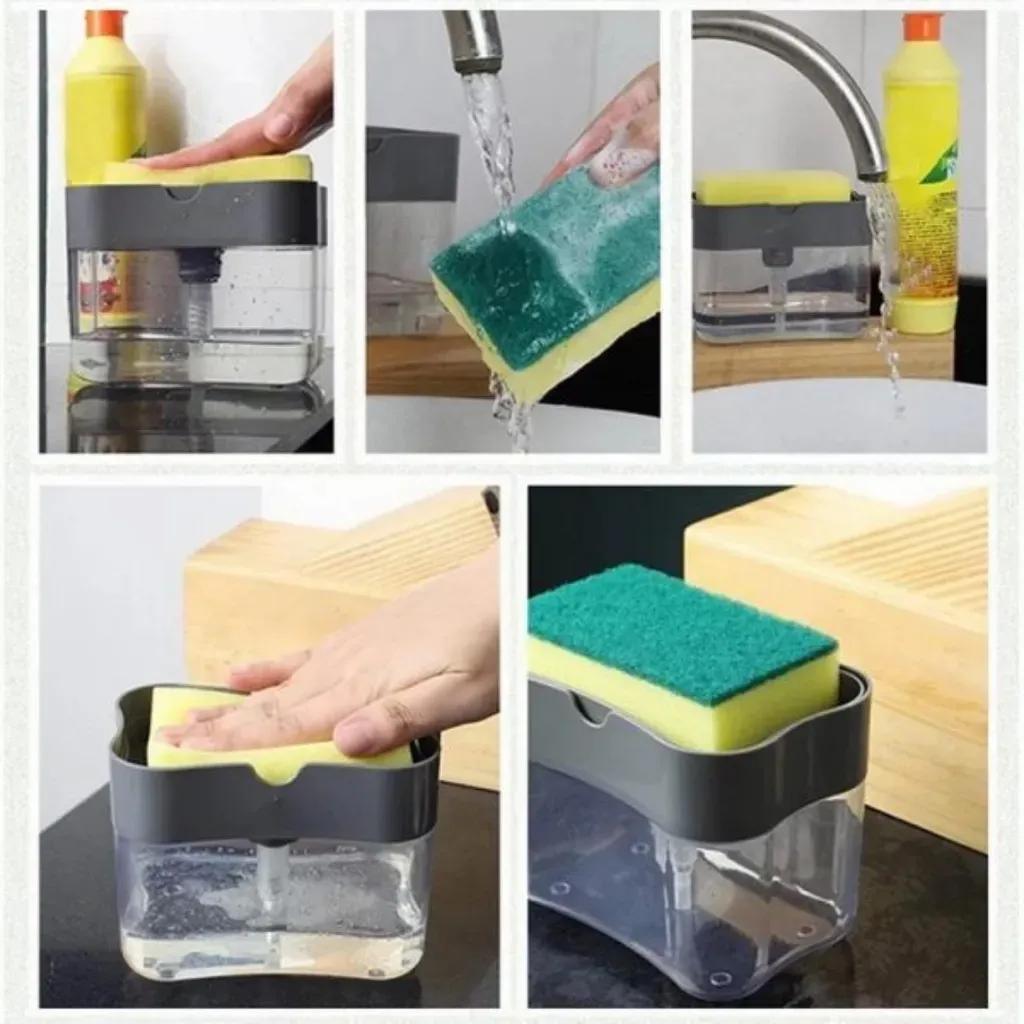
Manual Sink Soap Dispenser
The Manual Sink Soap Dispenser is an essential addition to any modern kitchen. Designed for efficiency and ease of use, this dispenser allows for precise soap dispensing with minimal effort. Constructed from high-quality materials, it ensures durability and longevity, making it a reliable choice for daily use. The sleek design complements various kitchen aesthetics while promoting hygiene by reducing the risk of cross-contamination. Ideal for both residential and commercial settings, the Manual Sink Soap Dispenser enhances functionality and maintains cleanliness in your workspace.
In the pursuit of maintaining impeccable hygiene standards, the often-overlooked manual sink soap dispenser emerges as an unsung hero in both domestic and commercial settings. As simple as it may seem, the manual soap dispenser plays a pivotal role in fostering cleanliness and ensuring that handwashing becomes an effortless, habitual practice. This article delves into the intricacies of manual soap dispensers, exploring their design, benefits, and the paramount importance of their integration into everyday life.

Understanding the Manual Soap Dispenser
The manual soap dispenser is a quintessential fixture in sanitation, offering a user-friendly mechanism that dispenses soap through a simple pump action. Its design is typically characterized by a refillable reservoir, a pump mechanism, and a nozzle, all of which work in concert to deliver a precise amount of soap with each activation.
Design and Functionality
Manual soap dispensers are engineered for efficiency. The refillable soap dispenser component is a vital feature, allowing for sustainability and economic savings. Users can replenish the dispenser with bulk hand soap, significantly reducing the need for single-use plastic containers. This not only benefits the environment but also ensures that soap is always available when needed.
The hand soap dispenser mechanism generally consists of a spring-loaded pump that draws soap from the reservoir and dispenses it through the nozzle. This mechanism is designed to prevent leaks and ensure a consistent flow of soap, enhancing user experience and maintaining hygiene standards.
The Importance of Manual Soap Dispensers in Hygiene
The significance of manual soap dispensers transcends their apparent simplicity. In an era where hygiene is of utmost importance, these dispensers play a critical role in preventing the spread of germs and maintaining public health.
Health Benefits
Regular handwashing is a proven method to reduce the transmission of infectious diseases. Manual soap dispensers facilitate this practice by providing an accessible and efficient means of obtaining soap. Their presence in restrooms, kitchens, and communal areas encourages frequent handwashing, thereby contributing to a healthier environment.
Economic and Environmental Considerations
Manual soap dispensers offer economic advantages by reducing the cost associated with purchasing disposable soap containers. The refillable nature of these dispensers allows businesses and households to purchase soap in bulk, which is often more cost-effective and environmentally friendly.
Moreover, by minimizing plastic waste, refillable soap dispensers align with sustainable practices that are increasingly prioritized in contemporary society. The reduction in single-use plastics significantly lessens the environmental impact, thereby supporting global sustainability initiatives.
Selecting the Right Manual Soap Dispenser
Choosing an appropriate manual soap dispenser involves consideration of several factors, including design, capacity, and material. The selection process can greatly influence the dispenser’s effectiveness and longevity.
Design and Aesthetics
The aesthetic appeal of a hand soap dispenser should not be underestimated. In both residential and commercial settings, the dispenser should complement the existing décor while remaining functional. Options vary from sleek, modern designs to more traditional styles, allowing for integration into diverse environments.
Material and Durability
The material of the dispenser is crucial for its durability and ease of maintenance. Common materials include stainless steel, plastic, and glass. Stainless steel is renowned for its resilience and hygienic properties, whereas plastic offers a cost-effective and versatile option. Glass dispensers, while aesthetically pleasing, may require more careful handling to prevent breakage.
Capacity and Refillability
The capacity of the dispenser should be chosen based on the frequency of use and the setting in which it is installed. High-traffic areas may benefit from larger dispensers that require less frequent refilling, while smaller dispensers may be suitable for personal or low-traffic use.
The ease of refilling is also a critical factor. A well-designed refillable soap dispenser should allow for straightforward replenishment without spills or leaks, ensuring that the dispenser remains user-friendly and efficient.
Maintenance and Care of Manual Soap Dispensers
Proper maintenance is essential to ensure the longevity and efficiency of manual soap dispensers. Regular cleaning and inspection can prevent malfunctions and preserve the dispenser’s aesthetic and functional integrity.
Cleaning and Sanitization
Routine cleaning of the soap dispenser is necessary to prevent the buildup of soap residue and potential bacterial growth. This involves disassembling the dispenser, cleaning each component with warm, soapy water, and thoroughly drying before reassembly. For enhanced hygiene, occasional sanitization with a mild disinfectant is recommended.
Troubleshooting Common Issues
Over time, manual soap dispensers may experience issues such as clogging or inconsistent soap flow. These problems can often be resolved by cleaning the pump mechanism and ensuring the soap used is compatible with the dispenser. If issues persist, consulting the manufacturer’s guidelines or replacing worn components may be necessary.


Reviews
There are no reviews yet.